
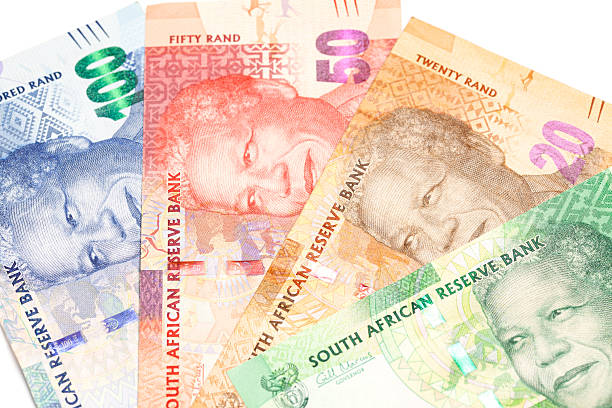
What Is South African Rand? Complete Currency Guide
Currencies tell stories about nations, their history, economy, struggles, and ambitions. The South African Rand (ZAR) is no exception. It reflects South Africa’s mineral wealth, its role in African trade, and its position as one of the most actively traded emerging market currencies in the world.
Whether you are a traveler, trader, student, business owner, or simply curious about global currencies, understanding what the South African Rand is, how it works, and why it matters can help you make smarter financial decisions.
What is South African Rand? Complete Currency Guide?
The South African Rand, abbreviated as ZAR, is the official currency of South Africa. It is also used or accepted in neighboring countries such as Namibia (alongside the Namibian dollar), and is widely traded across Africa and global forex markets.
The word “Rand” comes from Witwatersrand, the ridge where Johannesburg is located and where massive gold deposits were discovered in the late 19th century. This gold rich region shaped South Africa’s economy and its currency more than any other factor.
Basic Facts About the South African Rand
- Currency code: ZAR
- Symbol: R
- Subunits: 1 Rand = 100 cents
- Issued by: South African Reserve Bank (SARB)
- Introduced: 1961
The Rand replaced the South African pound when the country became a republic.
How it Works
The South African Rand operates as a fiat currency, meaning it is not backed by physical commodities like gold. Instead, its value is supported by government authority, economic output, and market confidence.
Who Controls the Rand?
The South African Reserve Bank (SARB) is responsible for:
- Issuing banknotes and coins
- Managing inflation
- Maintaining financial stability
- Influencing interest rates
Unlike many central banks, SARB focuses strongly on inflation targeting, which directly affects the Rand’s strength.
What Influences the Value of the Rand?
The Rand is known for being volatile, especially compared to developed-market currencies.
Key factors include:
- Commodity prices (gold, platinum, coal)
- Interest rates set by SARB
- Political stability
- Global investor sentiment
- US dollar strength
Because South Africa is a major exporter of minerals, the Rand often strengthens when commodity prices rise.
Rand in the Global Market
The Rand is one of the most traded emerging-market currencies globally.
- Actively traded in forex markets
- Used in carry trades
- Sensitive to global risk appetite
This makes the Rand attractive but risky for investors and traders.
Benefits
Despite its volatility, the South African Rand offers several unique advantages.
1. Strong Regional Influence
The Rand plays a key role in Southern African trade, often used beyond South Africa’s borders.
- Accepted in Namibia
- Influences regional pricing
- Facilitates cross-border commerce
2. High Forex Liquidity
Among African currencies, the Rand stands out for:
- High daily trading volume
- Tight spreads compared to peers
- Easy access on global trading platforms
This liquidity attracts institutional and retail traders alike.
3. Interest Rate Opportunities
South Africa often maintains higher interest rates than developed economies.
- Attractive for yield-seeking investors
- Supports carry trade strategies
Higher rates can strengthen the Rand when global conditions are favorable.
4. Transparent Central Banking
The South African Reserve Bank is respected for:
- Policy transparency
- Independence
- Clear inflation targets
This credibility helps stabilize long-term confidence in the currency.
Step by Step Guide
Here is a practical guide to using, exchanging, or investing in the South African Rand.
Step 1: Understand Your Purpose
Are you:
- Traveling to South Africa?
- Sending money internationally?
- Trading forex?
- Importing/exporting goods?
Your purpose determines the best way to handle ZAR.
Step 2: Choose the Right Exchange Method
Options include:
- Banks
- Forex brokers
- Money exchange services
- Digital wallets
Each comes with different fees and rates.
Step 3: Monitor Exchange Rates
The Rand can fluctuate significantly.
- Track daily movements
- Watch global news
- Follow commodity prices
Timing matters more with ZAR than stable currencies.
Step 4: Manage Risk
If holding Rand:
- Avoid overexposure
- Use stop loss strategies
- Diversify currency holdings
The Rand rewards preparation, not guesswork.
Charts, Tables or Data
Table: Key Features of the South African Rand
| Feature | Description |
| Currency Code | ZAR |
| Symbol | R |
| Issuer | South African Reserve Bank |
| Type | Fiat currency |
| Volatility Level | Moderate to high |
| Global Status | Emerging-market currency |
Comparison Chart: South African Rand vs US Dollar
South African Rand (ZAR)
- Emerging-market currency
- Higher interest rates
- Commodity-linked
- More volatile
- Sensitive to political news
US Dollar (USD)
- Global reserve currency
- Lower relative volatility
- Safe-haven status
- Strong global demand
- Influences other currencies
This comparison shows why the Rand offers opportunity but also risk.
Scenario Example
Lebo, a freelance designer in Cape Town, earns clients abroad in US dollars.
Instead of converting immediately:
- She waits for favorable exchange rates
- Converts USD to Rand when the Rand weakens
By timing conversions wisely:
- She earns more Rand per dollar
- Offsets local inflation
- Improves monthly cash flow
Understanding the Rand helps Lebo make smarter income decisions.
Common Mistakes
1. Assuming the Rand Is Weak by Default
A weaker exchange rate does not always mean a weak economy. Sometimes it reflects:
- Global risk-off sentiment
- Temporary political events
- US dollar strength
Context matters.
2. Ignoring Inflation Impact
Inflation reduces purchasing power.
- Holding large Rand balances long-term without planning can erode value.
3. Poor Timing in Currency Exchange
Exchanging without monitoring rates often leads to losses.
- Small timing differences can matter significantly with ZAR.
4. Overreacting to Short-Term News
Rand reacts quickly to headlines.
- Panic-driven decisions often backfire.
5. Confusing Legal Tender Rules
While widely accepted regionally, the Rand is not an official currency everywhere in Africa.
Expert Tips
- Watch commodity markets when tracking the Rand
- Follow SARB interest rate announcements
- Avoid emotional trading decisions
- Use forward contracts for business payments
- Diversify currency exposure if holding ZAR long-term
Currency experts often say:
“The Rand rewards patience, not panic.”
FAQs
What does ZAR stand for?
ZAR comes from the Dutch word “Zuid-Afrikaanse Rand.”
Is the South African Rand stable?
It is relatively stable among emerging currencies but more volatile than major currencies.
Can foreigners open Rand accounts?
Yes, subject to South African banking regulations.
Is the Rand backed by gold?
No. It is a fiat currency, though influenced by commodity markets.
Why does the Rand fluctuate so much?
Because it reacts strongly to global risk sentiment, commodities, and politics.
Conclusion
The South African Rand is far more than a medium of exchange; it is a reflection of South Africa’s economy, resources, and global connections. Its volatility can intimidate beginners, but for those who understand it, the Rand offers flexibility, opportunity, and insight into emerging markets.
Whether you are traveling, trading, or doing business, understanding what the South African Rand is and how it works empowers you to make informed financial choices. Like South Africa itself, the Rand is dynamic, resilient, and full of complexity.